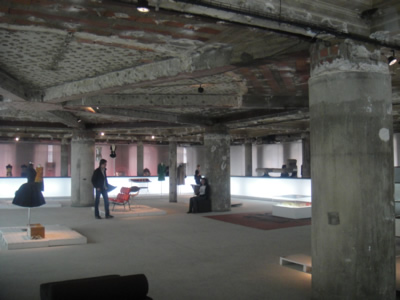
Bar/Cafe ‘Sol e Pesca’ Lisbon: canned fish decor & vintage memorabilia

Portugal is famous for the beautiful coloured tin cans of tuna, squid and sardines . Tin cans serve as wall decoration in cafe/bar “Sol e Pesca ” ( litt.Sun and Fishing), but are also intended for consumption. A great idea!

Cafe/bar “Sol e Pesca“, Lisbon decorated with lovely coloured fish tin cans

Former old shop

This bar used to be an old shop with fishing equipment and that past now inspires the décor (like rods and hooks). Now the shop is also decorated with hundreds of colorful tins of the Portuguese favorite fish.

Cafe/bar “Sol e Pesca“, Lisbon

“Sol e Pesca also inspires what is served (or sold to be enjoyed at home), because in addition to the drinks (beer and local wines) it offers cans of a variety of fish that, if you like it, can be accompanied by bread and wine.

Mauro Fialho, Cafe/bar “Sol e Pesca“, Lisbon

Nowadays the Cais do Sodré area in Lisbon is a trendy place to go after  the bars in the Bairro Alto close their doors. You’ll find here some clubs like Roterdão, and Musicbox. In July 2010 “Sol e Pesca” opened its doors.

Cafe` Sol e Pesca`Lisbon: Catarina Rebelo Lucas is preparing the mise en place

Catarina: ” In this area (Cais do Sodré) near the river Tagus there are a lot of shops for fishermen. This typical Portuguese old store closed 20 years ago and all the old stuff associated with fish is still there…

The new owner, sr. Henrique Vaz Pato (pato means duck in Portuguese)  😉  bought the shop and opened cafe ‘Sol e Pesca’ (Sun and Fishing) in July 2010″.

Muxama, a delicacy typical of the south region of the Iberian Peninsula, consisting of filleted salt-cured tuna.

The Arabs developed this salt curing technique and the term muxama comes from the Arab word musama which means “dry”. However, Phoenicians and Romans also used a similar process to preserve the fishes caught until the return of the fishing boats ashore.

Nowadays, in Portugal muxama is produced in the Algarve region, following a technique used for more than 1000 years almost unchanged.

Delicious! Muxama, salad, sardines, olives, bread, white wine, a small bottle of water: 22 euro

Bar/cafe Sol e Pesca (Sun and Fishing),  Rua Nova de Carvalho 14, Lisbon

Hours: Monday to Friday from 18:00 to 02h00, Saturday from 18.00 to 04h00.  Closed on Sundays, Facebook

MINERVA – Portuguese sardines

Minerva is a well-known Portuguese canned fish brand. Famous Lisbon city center cannery store Conserveira de Lisboa

Lisbon, Cais do Sodré , the new hotspot, December 2011

Nowadays the Cais do Sodré area in Lisbon is a trendy place to go after bars in the nearby Bairro Alto area close their doors
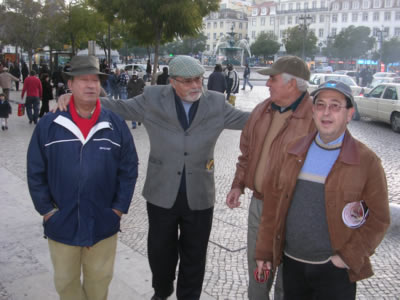
 

Lisbons’ unique hat makers shop Azevedo Rua & Portuguese poet Pessoa

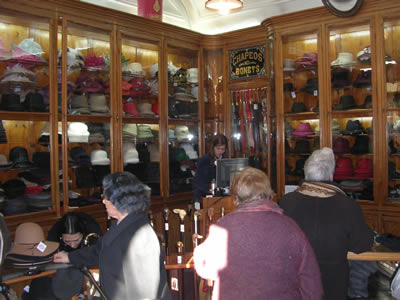
Chapelaria Azevedo Rua is a traditional hat shop (opened in 1886) on Rossio, one of Lisbons’ famous squares, creating tailor-made hats (chapéus) on request.

Rossio Lisbon people are fond of hats

Portuguese people are fond of hats!

Rossio square Lisbon  (officially named Praça Dom Pedro IV)

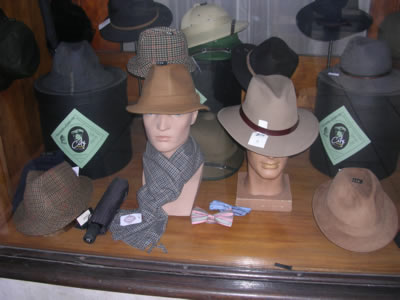
Rossio hat shop Chapelaria Azevedo Rua window dressing

Chapelaria Azevedo Rua Lisbon

Typical Portuguese hats, bridal hats, Panama- and Cylinder hats. In this well-known hatter’s you can find handmade hats for all occasions and top-hats, bowler hats, high-hats and all kinds of regional- and traditional hats.

Hat shop Azevedo Rua, Chapeus1 street shop2

Chapelaria Azevedo Rua

All levels of society buy their hats from here, from labourers to the president, also in the past, like the famous Portuguese poet and writer Fernando Pessoa.

Azevedo Rua, Azeveda Rua Chapeus1 Maria Fonseca Fernando Pessoa hat

Maria Fonseca shows ‘Fernando Pessoa’s (1888 – 1935) favourite hat.

“This type of hat is still very popular nowadays”. Price: 60 euro, tailor-made.

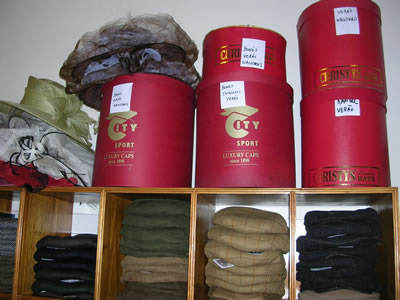
Chapelaria Azevedo Rua Lisbon, beautiful hat boxes

Chapelaria Azevedo Rua

History

Maria Fonseca: ” In December 1886, the grand grand father of my husband, Manuel Azevedo Rua opened this shop in Lisbon. Before that his profession was a wine producer. He lived in Nogueira, district of Vila Real Trás-os-Montes, in the north of Portugal”.

Azevedo Rua, Chapeus Precos Fixos

Hat shop Chapelaria Azevedo Rua Lisbon

No discount (‘precos fixos’) & president Mário Soares

“Due to vintage problems Manuel decided to move to Lisbon. His uncle, a rich priest, supplied him the money to finance the shop, only on this condition: no discount (‘precos fixos’), but with the exception of hats for priests”.

‘Sorry sir, no discount’

“One day, the Portuguese former President Mário Soares (son of an ex-priest) 😉 , came here to buy a hat. But no discount for him: “Desculpa senhor, precos fixos’ (Sorry sir, no discount)”. And: “D. Duarte de Bragança, the Duke of Braganza ordered his hats here”.

Azevedo Rua, Chapeus hat shop Pedro Fonseca

Hat shop Chapelaria Azevedo Rua Lisbon

Pedro Fonseca, owner

Azevedo Rua, Chapeus December 2008 Chrismas shopping Lisbon

Hat shop Chapelaria Azevedo Rua Lisbon

December, Christmas shopping

Chapelaria Azevedo Rua Rossio

Chapelaria Azevedo Rua. Address: 72-73, Praça Dom Pedro IV, Lisbon, 1100-202. Open Mon. – Fri.: 09:00 – 19:00hr. Sat. 09:00 – 13:00hr. Owners: Teresa and Jose Manuel, Maria and Pedro Fonseca.

Cabo da Roca Portugal: nearest point Europa to USA & how to reach

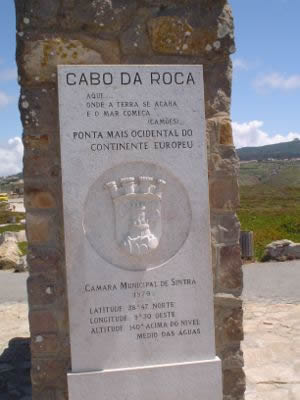
If your Portugal vacation takes you to Lisbon, don’t miss Cabo da Roca (Roca’s Cape), in the municipality of Sintra, 40 km from LisbonThe magical atmosphere of the westernmost point of mainland Europe (at 9° 29.8′ W), the nearest point between the European Continent and the USA, is really worth a visit! In summertime there’s lots of photo-snapping tourists posing right here.

Cabo da Roca spectacular views

Cabo da Roca Portugal

The views to the Atlantic from here are stunning. The cliff rises 144 meters in height above the cape. Expect strong winds when looking down from the cliff-top. You have to be very careful on windy and rainy days. Take care, it’s a long way down!!

How to get there from Lisbon? Take a train from station Cais do Sodré  to Cascais. Bus 403 travels regularly between Sintra and Cascais stops at Cabo da Roca.

Cao da Roca monument with crusifix

Cabo da Roca, 40 km from Lisbon

Portuguese poet, Luís Vaz de Camões (1524-1580)

A cross has been erected in this spot as a monument to celebrate the end of the European mainland, and the beginning of the Atlantic ocean. The cross basement bears the words of the famous Portuguese poet, Luís Vaz de Camões, born in Lisbon.

Cabo da Roca Camoes

Cabo da Roca

‘Aqui…
Onde a terra termina e o mar começa…
Ponta mais ocidental do continente europeu’

‘Here…
Where the land ends and the sea begins…
Westernmost point of the European continent’

Cabo da Roca view on Meco beach

Cabo da Roca Portugal

View from Cabo da Roca on the fabulous beaches. On sunny days Meco Beach (Praia do Meco) can be seen. (ca. 45 km). The small house is still a remain of the long Moorisch occupation (700C – 1400C).

Cabo da Roca is at the end of a 30 mile stretch of the coast known as the Portuguese Riviera, 40 km from Lisbon. The Atlantic coast, which stretches to the north and west of Lisbon, is of surprising beauty: here the landscape swiftly changes from high, sweeping cliffs to beaches of white sand, backed by lagoons.

Cabo da Roca Lighthouse

Cabo da Roca Portugal

The construction of the lighthouse (farol) was completed in 1772. It is still active and staffed by a crew of three keepers. Lighthouses in Portugal are owned by the navy (Marinha de Portugal) and operated by the navy’s lighthouse directorate. Portugal has a long distinguished maritime history; the Portuguese first traveled out and around Africa, launching the European age of discovery 600 years ago.

Cabo da Roca church1

Cabo da Roca

Cabo da Roca’s church is being restored at the moment. According to construction workers apartments will be built in this church.

Cabo da Roca tiles in church

Cabo da Roca, azulejos

Beautiful tiles (azulejos) inside the church. The azulejo is a typical form of Portuguese painted, tin-glazed, ceramic tilework. They have become a typical aspect of Portuguese culture. Azulejo comes from the Arabic word az-zulayj, meaning polished stone.

Wherever you go in Portugal, azulejos are to be found inside and outside cafes, churches, palaces, ordinary houses and even ceilings, train- or subway stations. Many azulejos chronicle major historical and cultural aspects of Portuguese history.

Restaurant ‘Casa de Pasto’ Lisbon: culinary traditions & Mick Jagger

Inspired by the late 19th-century traditional Lisbon eating houses favored by the bourgeoisie, restaurant Casa de Pasto serves very tasty Portuguese dishes. Worth a visit!

Restaurant Casa de Pasto Lisbon: wonderdul vintage decoration

Cool Cais do Sodré riverside area & a former brothel

Restaurant Casa do Pasto opened in December 2013 by the hand of chief Diogo Noronha, a.o. responsible for the very successful ‘Lx Factory’ (a former industrial area surrounded by restaurants, galleries, studios, an open air market on Sundays), and the unique nearby bar Pensão Amor’, a former brothel.

Restaurant Casa de Pasto Lisbon & the very sympathic waiter

Beside this imposing space there are two more dining rooms: the first is small (but beautiful), with a long, narrow table, ideal for group dinners that do not exceed ten people. For a more romantic meal is advised the room with only two small tables where stands out an antique chaise longue and corner with images of saints.

Restaurant Casa de Pasto Lisbon, area Cais do Sodré: mouthwatering dishes!

Our lunch (almoçar): delicious tuna steak (atum) and vegetables (ca. 20 euro), home made chips, costeletas de borrego (lamb, ca. 15 euro, 2 glasses of wine, water and a dessert (sobremesa): a total of around 60 euro.

This restaurant goes back in time, but mixes modern cooking methods with Portugal’s culinary traditions.

Restaurant Casa de Pasto Lisbon vintage decoration dessert 2

Restaurant Casa de Pasto Lisbon: dessert ‘Wild Desire’ a combination of fruits with chocolate (facebook)

Casas de Pasto (litt. houses of pasture) & Portuguese history

Lisbon people (Lisboetas) once had the curious custom of going to stroll gardens to withdraw from the city in order to enjoy some pleasures of the countryside, usually on Sundays. They organized family picnics or simply had lunch in the old Casas de Pasto, so called because initially only giving fodder to the animals while the owners were negotiating at the fair. In many of them, still retain the rings that held the animals.

Casa de Pasto portas da Amadora alfacinhas retro 2

A ‘Casa de Pasto’, near Amadora, close to Lisbon, late 19th century/beginning 20th century. Picture: Arquivo Municipal de Lisboa

With the time the owners of the Casas do Pasto also began to feed the animal owners and so flourished a business that came to give rise to modern restaurants.

Source: Folclore Online de Portugal

Restaurant Casa de Pasto February ’15, Lisbon: Erika Reusens and Luc De Leersnyder

Bordalo Pinheiro: traditional Portuguese ceramic designs

One of the corner tables is next to the bookcase with traditional Portuguese Bordalo Pinheiro (1846–1905)ceramic designs, a very famous Portuguese artist known for his illustration, caricatures, sculpture, considered the first Portuguese comics creator. More….

Restaurant Casa de Pasto , Rua do São Paulo 20, Cais do Sodré, Lisbon

Big plastic pig

Restaurant Casa de Pasto is located in a typical Portuguese 19th-century antique building, on the first floor. Very easy to find: look for the big plastic pig hanging on the wall

Location: Rua São Paulo 20, Cais do Sodré, Lisbon. Closing time: 02:00. Reservation advised. Average price: 20.00 euro. Phone: (+351) 963 739 979.

Hours: Monday to Saturday from 12:00 to 15:00 and 20:00 to 23:00 (Thursday, Friday and Saturday until 24:00. Closed: Sunday. Facebook

Restaurant Casa de Pasto Lisbon & one of the funny bathrooms

May 2014, The Rolling Stones in Lisbon: Rock in Río YouTube, Mick Jagger dined at this fine restaurant.  Mick Jagger & restaurant chef Diogo Noronha  (facebook)

Remarkable Cemetery of ‘Pleasures’ Lisbon & resting place Portuguese celebrities

This remarkable ‘city of the deads’ is really an interesting place to visit.  Famous Portuguese personalities are buried here, mainly actors,  TV talk show hosts, singers, writers & painters

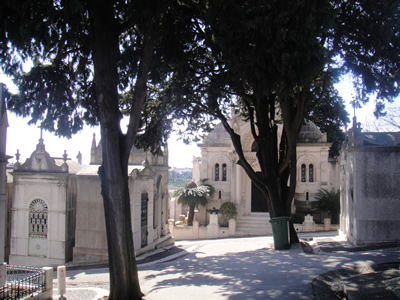
‘City of the deads’: cemetery of ‘Pleasures’ Lisbon: a funerary chapel & 4 garbage bins……??  😉

Famous fado artist Amália Rodrigues 

The mortal remains of  Amália Rodrigues, the famous fado artist,  were transferred to the National Pantheon  in Lisbon (under enormous pressure from her admirers and a change in the law requiring a minimum of four years before repatriation).

Cemetery of ‘Pleasures’ Lisbon

City of the deads: cemetery of ‘Pleasures’ ? (Cemitério dos Prazeres)

After the city of Lisbon was hit by an outbreak of cholera in 1833, causing thousands of deaths,  it was urgent to create a large cemetery for both rich and poorer victims. It has the weird name of  Cemetery of ‘Pleasures’, called after the nearby neighborhood (Prazeres) with the same name. Many of its tombs are big mausoleums, some with the size of small chapels.

Cemetery of Pleasures Cemitério dos Prazeres 2 Lisbon

Cemetery of ‘Pleasures’ Lisbon & one of the 70 ‘streets’

Tranquility & landing/take-off zone of Lisbon’s airport

Once you enter the cemetery the sound of the city fades and the tranquility overwhelms you. Beautiful trees, a strange atmosphere and joyful singing of birds. You imagine yourself walking in a previous century, only disturbed by plane noise, rather loud, every 10 minutes. The cemetery is located close to the landing/take-off zone of Lisbon’s airport.

As far as I know nobody at this cemetery seems to complain 😉 🙂

Cemetery of Pleasures Cemitério dos Prazeres 3 Lisbon

Cemetery of ‘Pleasures’ Lisbon

Most of the Prazeres mausoleums belong to rich, old or ‘important’ families, like f.i. the Palmela family. Many of the mausoleums are richly elaborated, have fine sculptures and decorations. There are also statues of the deceased. It’s like a ‘city in a city’ for the dead, with well-defined lanes (70! ) and funerary chapels that were built to look like little houses.

Cemetery of Pleasures Cemitério dos Prazeres 4 Lisbon river view

Cemetery of ‘Pleasures’ Lisbon

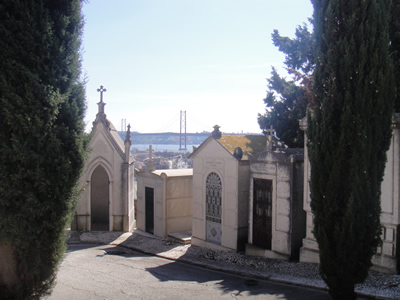
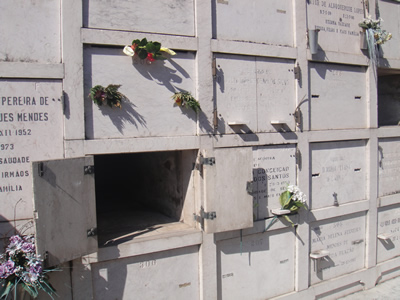
The unusual about a lot of these graves is that they have little “front doors” with glass windows through which you can see the caskets and remnants of the dead and their visitors. Most of the trees are a species cypress (Cupressus sempervirens), much used in Portuguese cemeteries.

Cemetery of Pleasures Cemitério dos Prazeres 5 Lisbon river Tejo views

The cemetery also provides great views over the Alcântara valley, the river Tagus and the 25 April Bridge (Ponte 25 de Abril).

Until 1985, the great Portuguese poet Fernando Pessoa was burried here. Thereafter his mortal remains were transferred to the cloisters of the Mosteiro dos Jerónimos

Cemetery of Pleasures Cemitério dos Prazeres 7 Lisbon

Cemetery of ‘Pleasures’ Lisbon

An example of a ‘front door’ with glass windows through which you can see the caskets.

Cemetery of Pleasures Cemitério dos Prazeres 8 Lisbon

Cemetery of ‘Pleasures’ Lisbon

TRAM 28 – last stop

The cemetery, one of the largest of the Portuguese capital, can be reached by taking Electrico 28, which is a traditional and charming Lisbon tram, to its last stop in Prazeres. Open every day of the week from 09:00 – 17:00 (May – September 09:00 – 18:00). Largo dos PrazeresPraça São João Bosco 

More about cemeteries in Portugal

Cemiterio Prazeres entrance

Cemetery of ‘Pleasures’ Lisbon : entrance

YouTube

Castle of St. George’s neighborhood ‘Santa Cruz’ & Mercearia Castello Cafe

Around the Castle of St. George’s  (Castelo de São Jorge) in Lisbon, the tiny and partially restored ancient neighborhood of Santa Cruz do Castelo , is one of the most picturesque parts of Lisbon. Ageing residents are living here as well as younger people and there’s lots of luxury hotels.

Lisbon Bairro Castelo Merceraria Castello

Mercearia Castello Cafe

A bit tucked away on a tiny street, Rua das Flores de Santa Cruz behind the Castle, Mercearia Castello Cafe opens in summertime a small outdoor seating  just around the corner. Quiche and salads, coffee and toast, this cafe is a great place to stop for a snack or a light meal after visiting the Castle.

Lisbon Bairro Castelo Rua do Chao da Feira

Rua Bartolomeu do Gusmão, just near the Castle.

The neighborhood is very charming, it’s really nice to walk through the cobbled small streets. Costa do Castelo features some of the most spectacular viewpoints of Lisbon.

Lisbon neighborhood St John Castle O Terraco amazing views

A 10 minutes walk away from this street is a great cafe/bar overlooking the river Tagus, 25 April bridge and the city, cafe O Terraço, spectacular views!

(update : new owner, now there’s a restaurant)

Lisbon Bairro Castelo Rua do Espirito Santo3 laundry

Rua do Espírito Santo….

Normal life is going on, quietly, nobody takes attention to the tourists. This hilly part of Lisbon, located in the highest hill of the historic centre,  is one of the main historical and tourist sites.

Lisbon Bairro Castelo walking around

more…..  an idea to walk up the hill to the Castle of St George

Lisbon wine tasting & tours: ‘Venha Vinho’ & Francisco Afonso, ‘the wine dreamer’

Wine lovers! If you are visiting Lisbon: the Portuguese wines are delicious and besides they are affordable. We enjoyed an evening of wine tasting in the shop of Francisco, ‘wine dreamer’,(as he describes himself)  😉

Lisbon wine shop Venha Vinho (‘litt. come wine’) & owner Francisco Franco Afonso

Free wine tasting evenings & shop ‘Venha Vinho’ in Bairro Alto Lisbon

The idea: all participants buy a bottle of wine. In the tasting room of the small but cozy wine shop the selection of wines are shared and tasted, while Francisco shares his passion for wine. We learned about Portugal’s different wine regions, styles, characteristics & much more…….

February 2015: tasting room of Francisco’s wine shop Venha Vinho in Bairro Alto, Lisbon: wine lovers Ans & Loek from Holland, family Deauville from Australia & Miguel (Portuguese).

Informal atmosphere

Most participants (a mix of people visiting Lisbon and a few ‘Lisboetas’/ inhabitants) did not know eachother but the atmosphere soon became informal; after some sips of wine we began to loosen up 😉

Wine tasting evening in Francisco’s wine shop in Lisbon & my choice: Monte Velho

Monte Velho (‘old hill’) wines : affordable priced in Lisbon

“Monte Velho wines are faithful to the spirit and tradition of Portugal’s warm, sunny Alentejo region: food-friendly and vibrant, with rich aromas and a smooth palate”  Very well written!  Price in Lisbon € 4- 7. Also recommended:

Terras do Pó  (litt. land of dust, Setúbal Peninsula, close to Lisbon) and Periquita (litt. a female parakeet) 🙂

Wine tasting Francisco wine shop Bairro Alto one of his favorites Feb 15 1

Francisco Franco Afonso & one of his favorite wines

One of Francisco’s favorite wines: Dona Paterna Alvarinho 2013 (Vinho Verde, famous green wine). Francisco: ” Portugal is a haven for unique authentic wines from more than 250 indigenous grape varieties. Portugal wineries, estates and domains (‘Quintas’ and ‘herdades’) are beautiful and hospitable”

Popular Hen & Stag Party’s

“We also host Wine & Port Tours , Hen party’s, ‘Food and Wine Walking Tours’ including a walk to the nearby legendary Lisbon market Mercado da Ribeira 

Francisco’s wine shop Venha Vinho in Bairro Alto, Lisbon. Wine tasting evening & real corks

Save a tree – buy wine with natural cork

Buying wine with real corks helps preserve the cork forests of Portugal and the wider western Mediterranean which are, it turns out, ecological marvels.

Vimeo movie about the amazing cork oaks & and why to avoid synthetic corks

Unique cork oaks in Portugal: fortunately they are protected

What’s unique about cork is that the thick bark can be harvested from the trees without cutting them down. A skilled crew hacks the bark off with axes. If done right, it grows back. Amazing! Read more….

Francesco’s wine shop Venha Vinho in Lisbon & wine lover lady Dorville from Australia

BOOKINGS Francisco +351 912 152 086.  WebsiteVenhaVinho
email: ffa@VenhaVinho.com.     Facebook

Portugal wine regions 4

Map of Portuguese wine history & regions . Already in 1758, one of the first wine-producing region of the world, the Região Demarcada do Douro was created.

Amateur Fado Lisbon: cafe/bar ‘Tasca do Jaime’ & Dutch (!) Fado singer Henriquinha

Fado is a part of the culture in Portugal and many Portuguese have the idea they can sing just as wonderful as Carlos do Carmo or like the legendary Amália Rodrigues, Queen of fado, Lady of Lisbon..

Café/bar ‘Tasca do Jaime’ Lisbon & very talented Dutch Fado singer Henriquinha; Guitarra Portuguesa: Custódio Magalhaes; Viola do Fado: Duarte Nunes

Fadista (fado singer) Henriquinha Maria (Hendriktje Ruiter, born and professionally trained in Holland) is a very talented singer living in Lisbon. She really loves it to sing the fado; now she’s becoming famous in Portugal due to a Fado song contest on Portuguese TV.

YouTube Hendriktje ‘Amor de mel, amor de fel’

Hendriktje Dutch Fado singer Portuguese TV Ha Tarde dec 14 2

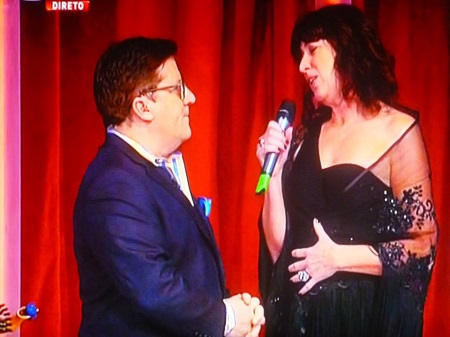
Dutch singer Henriquinha Maria & host Herman José on Portuguese TV, ‘Grande Premio do Fado’

Dutch singer Hendriktje Ruiter participated in a Fado talent show on Portuguese TV. After two rounds she won enough points to perform in the semi-final of this song contest in May 2015.

Interested to know where this Dutch fadista will sing in Lisbon? Mail to: hendriktje@gmail.com ; more pictures: facebook ; phone: 00351 917 035 578

Tasca do Jaime lisboa 3 Henriktje Fado Vadio

Lisbon, cafe/bar ‘Tasca do Jaime’ December 2014 & Fado Vadio (amateur fado)

Amateur setting of Portuguese Fado is called FADO VADIO

In the old neighborhoods of Lisbon there are local bars or tascas where everybody can sing fado (max. 2 songs). Even you, if you might like it! 😉 …. In this setting only the guitarists are paid to accompany the singers.

Tasca do Jaime Lisboa Dec 2014

Café/bar ‘Tasca do Jaime’ Lisbon December 2014

Silêncio que se vai cantar o fado (Silence)

In case you don’t understand the Portuguese language: when the light is dimmed, it means that ‘silence is asked because fado is going to be singed” …

Lisbon Tasca do Jaime Graca Libon dec 14 2

Tasca do Jaime Graca area Lisbon, FADO VADIO December 2014: fadista Fernanda Proença. (YouTube). This lady has a wonderful voice! 🙂

Fado Vadio: ‘Dying cats or divine song’

The Portuguese have a lot of respect for the performers who like to express their emotions. You can enjoy a fado singer who sings so beautiful it will give you goosebumps, followed by someone who think he or she is a really good singer…..

Or, as Tasca do Jaime’s neighbors Mike and Alice described on their blog: ‘ It’s a very authentic little cafe bar in our neighborhood. The fado heard there can sound like dying cats or divine song..’ 😉

Read more about Fado Vadio….

Tasco Jaime Graca dancing nov 3014

Tasca do Jaime Lisbon, Fado vadio December 2014: Zita & João Soeiro (YouTube)

Café/bar ‘Tasca do Jaime ‘ FADO afternoons & atmosphere

Seven years ago I wrote about this Tasca, but now the atmosphere has changed. The décor is really nice and authentic but the wine and petiscos (tapas) are overpriced: we paid about € 20 pp.  A small plate of ham and cheese or pasteis (pastries) and a jarro (garafe, ca. 3 glasses) filled with not the best quality of Portuguese wine 🙁   are obliged (on fado afternoons between 16:00 to 20:00). If standing at the counter or on the sidewalk watching pass the electric tram 28, has no such obligation.

Anyway, the performances of the guitar players and the fado singers were very good that day!

Tasca Jaime december 2014 Alexandra e Louis

Tasca do Jaime’ Lisbon December 2014: friends Alexandra & Louis

Café/bar ‘Tasca do Jaime’ Lisbon,  Rua da Graça 91, Lisbon. Fado Vadio on Saturdays, Sundays and public Holidays from 16:00 to 20:00. Phone : 351 21 8881560

MUDE museum in Lisbon: an ode to art, design & fashion, full of extraordinary pieces

MUDE Museum in Lisbon is really worth a visit! The fashion collection contains work by famous designers like Balenciaga, Pierre Balmain and Paco Rabanne.

Mude design Museum3

Sofa Joe – Jonathan de Pas, Italy (1932-1991)

The Collection results of the Francisco Capelo’s work and dedication, started in the 1990s, with more than 1,200 design and 1,500 fashion pieces most of it haute couture. The collection portrays the history of design and fashion from the 1930s to the present, being an exceptional collection to Portugal and to the international scene.

Mude Mode and design Museum Lisbon 14

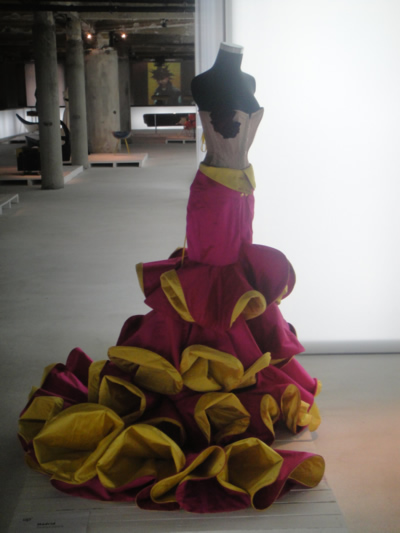
Designers of this beautiful dress: the Portuguese duo Storytailors.

MUDE is a space for all 20th and 21st century design forms, from graphic to urban, taking in fashion and equipment; from mass production to the creation of the artist. A space to considering design, researching into its holdings, developing an editorial policy, a temporary programme and educational activity that provides different spaces for the sharing of ideas. It must also, however, be a space for experimentation and creation, showing the proposals of new creators, encouraging new research and creating dialogues with the visual arts and architecture, the cinema and dance, music, science.

Mude design and fashion Museum 4


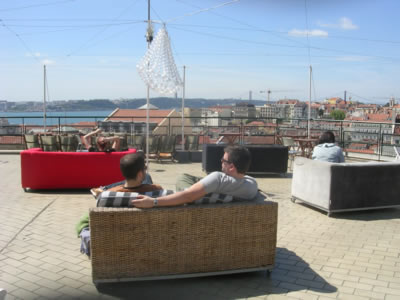
The unique building has a long history. Local architects Joana Vilhena and Ricardo Carvalho have left the interior in the rough state they found it, with walls, columns, and ceilings stripped of finishes. More……. A wonderful idea! It’s located in the middle of Lisbon’s historic Pombaline center. Eight floors occupy in total a floor area of appr. 14.000 m2. The renovation is still in progress.
Mude Mode and design museum Lisbon 5

Aristocratic elegance: Christobal Balenciaga (Spain 1895-1972)

Mude Mode and design museum 6

Pierre Poulin‘s (France, 1927) long sofa Amphys which can be arranged in different positions

Mude Mode and design museum Lisbon

Paco Rabanne (Spain, 1934). Calf length boots, metallised leather (1965)

Mude Mode and design museum 10

Also, there’s a lot of design showpieces, wonderful movie clips and music

Design and fashion were assembled in a complementary manner, with each piece chosen through a concept-based museum dialogue, and not according to personal tastes. Comprised of furniture and small everyday objects, both unique and mass-produced, the collection reflects 20th century’s major design trends and movements.

Mude Mode and design museum Lisbon Beatles

MUDE (MUseum and DEsign) which means ‘change’ in Portuguese), Rua Augusta 24 Lisbon.

Opening hours: from Tuesday to Thursday and Sunday: 10:00 am-20:00 pm
Friday and Saturday: 10:00 am-22:00 pm. Closed on Monday. You can visit the museum for free.

Mude Mode and design Museum Lisbon 13

Thanks to Graça Rodrigues, Head of Communication & Press

Fado history Mouraria Lisbon: a passionate liaison & first Fado singer Maria Severa

Historic area Mouraria contains a tangled street layout just as in Alfama, which has remained since the times of the Moors.

Mouraria Historical Center typical lley

Mouraria, Lisbon, one of Lisbon’s oldest districts.

The Arabs withdrew into this quarter after Lisbon was conquered by the Portuguese – a ghetto for people of different faiths arose. In the 19th C. prostitution and fado, which at this time was considered to be indecent, brought the quarter a bad name.

Mouraria Lisbon: Escadinhas de São Cristóvão. How to get there

Nowadays renovation of houses, which are threatened with falling into ruins, and an improvement in the living standards of the inhabitants of Mouraria has only begun recently. The area is full of typical grocery stores, old bars (taverna’s) and cheap (but good!) small restaurants.

Looking for a vacation stay in Lisbon? My Three bedroom apartment with sunny pátio (30 m2) in Mouraria – (short term rentals).

Mouraria historical center fado Rua da Severa


Largo da Severa’ Lisbon in area Mouraria.

Fado

It is said that the melancholic sounds of the music and singing of the Moorish people was at the base of fado music. The quarter is still today associated with fado: The ‘Casa de Severa’ at Largo da Severa 2 was the home of the legendary fadista Maria Severa Onofriando, who died at age 26 on November 30, 1846, either from suicide or tuberculosis.

Famous performer of fado Amália Rodrigues (”Lady of Lisbon”) the ‘queen of Fado’ was born near Mouraria on Rua Martim Faz.

Mouraria historical center fado plaque

(‘Mouraria, sculpture Berço do Fado‘, fado was born here)

Rua da Mouraria/ corner Rua do Capelão. Maria Severa is regarded as the first fado singer to have risen to fame, attaining a near-mythical status after her death: Maria had a passionate liaison with a nobleman, Conde de Vimioso. The affair ended badly. But the scandal increased fado’s appeal, leading to the publication of its first sheet music.

Fado Maria Severa painting

Famous painting Maria da Severa, regarded as the first fado singer

Fadistas, as fado singers are known, often wear a black shawl of mourning, as Severa did after her heartbreak. Her story epitomizes fado’s connection with saudade, “a feeling of longing or nostalgia”.

Mouraria Historical Center house Maria Severa fado singer

Fadista Maria da Severa’s house

UPDATE 2014:

Maria da Severa’s house is beautifully remodeled, you can enjoy pure fado here and traditional Portuguese food

There is a plaque in Maria Severa’s memory and a stylized fado guitar can be seen on the newly surfaced road where she lived. The memory of the singer is also kept alive in the pub called “Os Amigos da Severa” (the Friends of Severa) in the nearby Rua do Capelao , with a painting of her hanging on the wall.

Mouraria Fado Friends of Maria Severa

Cafe “Os Amigos da Severa” (the Friends of Severa) Mouraria Lisbon

Rua do Capelao 32, owner senhor Antonio Correia Alves Pais

Walk with friends Ans and Loek in Mouraria: a sua saúde ! Picture: Loek Polack

More about this remarkable little bar.